
Color psychology in interior design: how to choose the right palette
🧠 What is color psychology in interior design?
Color psychology in interiors studies how colors affect human mood and behavior. Each color has a different effect — some make us feel calm, others energize or concentrate.
Whether you're trying to spruce up your bedroom, living room, kitchen, or office, knowing the psychology of color can help you create an interior that's not only beautiful but also emotionally fulfilling.
🎯 Why color matters: The emotional effect of colors
When it comes to interior design, we often think first about form and functionality — how to arrange furniture, how to use space rationally. But we often forget about one of the most powerful tools that creates a subtle design language — color.
Color is not just aesthetics. It is an emotional code that is felt and influences our daily lives, often unnoticed. How we feel in a particular room — calm, cozy, motivated, or tense — depends largely on color.
We instinctively associate color with mood: we think of a space as warm or cold, light or heavy, positive or gloomy—and all of this is often due to color. In this emotional dialogue, color becomes an invisible guide that, alongside shape, texture, and lighting, plays its own role in managing our sensations.
Therefore, when we choose a color, we are actually choosing the experience that this space will offer us every day. Color becomes the soul of the interior — an invisible but powerful engine that responds to our inner world. Here is a brief overview of some popular colors and their psychological impact, taking into account their general characteristics:
Blue – calms, reduces stress
Red — stimulates energy, increases appetite
Green — harmonious, a symbol of renewal
Yellow — optimistic, positive
Neutral colors (beige, gray, white) — are universal and create a calming backdrop.
These colors don't have to be limited to the walls. They can also be used on non-stationary elements that can be easily moved or replaced, such as a rug, sofa, chair, curtain, pillows, decorations, and more.
💡 How to choose the right color palette
Determine what mood you want to create in the room.
Observe the effect of light on the color chosen on the wall.
Use the 60-30-10 rule : 60% primary color, 30% secondary color, 10% accent color.
Create a moodboard (a combination of colors and textures that harmonize with each other) before making a final decision.
You will become familiar with some popular and attractive color combinations that you won't be afraid to use together.
Navy Blue and White: A classic combination, navy blue provides stability, while crisp white gives a sense of brightness and cleanliness. Even in a modern style, it is always sophisticated and attractive.

Choose a color 
Choose a color 
Choose a color 
Choose a color
Charcoal Gray and Beige: A softer, more detail-focused alternative to black and white, this combination is uniquely elegant and calming.

Choose a color 
Choose a color 
Choose a color 
Choose a color
Emerald and Gold: Evoking a sense of opulence and grandeur, this pairing is quite sophisticated. Emerald green is rich and energetic, often associated with nature and naturalness, while gold brings a sense of warmth, glamour, and opulence.

Choose a color 
Choose a color 
Choose a color 
Choose a color
Pale pink and cappuccino/gold: This soft and romantic combination is incredibly elegant and inviting. It creates a calm and gentle atmosphere, perfect for a bedroom or sophisticated living area.

Choose a color 
Pink 
Pink 
Pink
Teal and Copper: This modern yet timeless duo is both inviting and elegant. The copper adds unexpected industrial-chic warmth and metallic shine. It's a sophisticated pairing that works beautifully in modern and eclectic interiors.
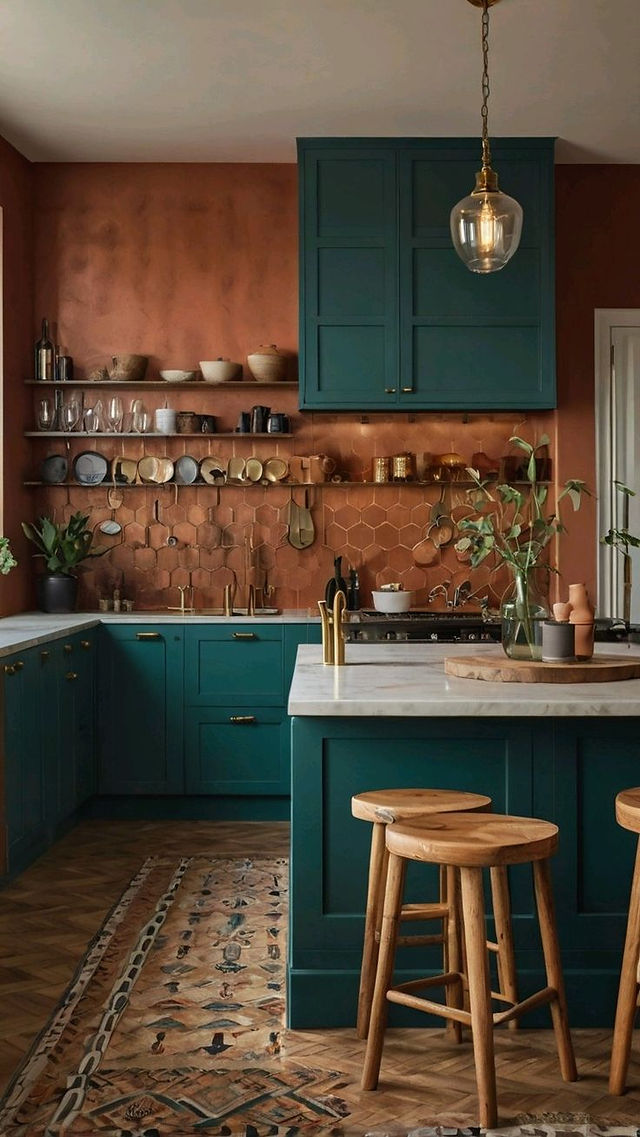
Copper-colored 
Copper-colored 
Copper-colored 
Green
Burgundy and Cream: This rich and inviting combination exudes warmth and traditional charm. Burgundy offers a deep, luxurious and soothing hue often associated with wealth. Cream softens the intensity of burgundy, adding brightness and a sense of classic elegance. It's perfect for creating a cozy and luxurious feel.
Burgundy Burgundy Burgundy Burgundy
Sage Green (Pistachio) and Wood Tones (Natural Oak): While not strictly two colors in the paint sense, the combination of sage green with natural wood tones is incredibly harmonious, organic, and timeless. Sage green is earthy, calming, and sophisticated, while the warmth and texture of natural wood adds a grounding and inviting element. It creates a calm, biophilic, and enduring aesthetic.

Pistachio 
Pistachio 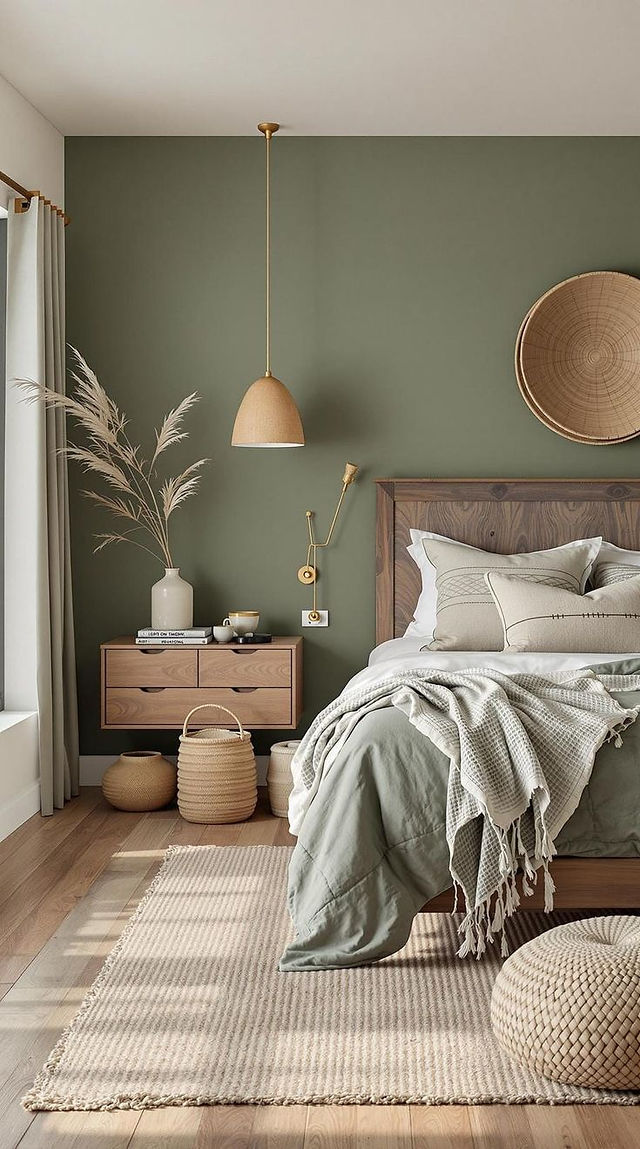
Pistachio 
Pistachio
Blue and Sand: Inspired by nature, this combination evokes a sense of calm, airiness, and natural beauty. Blue is calm and soothing, reminiscent of a cloudy sky or the ocean, while sand offers a warm, grounded, and earthy counterpoint. It creates a relaxed yet sophisticated atmosphere, perfect for creating tranquil spaces.

Blue 
Blue 
Blue 
Blue
Black and White: A timeless and timeless contrast, black and white are consistently elegant and bold. Black conveys strength and drama, while white conveys brightness and light. This classic combination stands the test of time.

Black and white 
Black and white 
Black and white 
Black and white
🏁 Conclusion: Your space — your color story
Choosing the right color isn't just about visual aesthetics—it's about creating the feeling you want to experience in your home every day.
Don't be afraid to experiment. Ultimately, color becomes the most powerful tool in your design.

Comments